📞 +44 0161 495 7011 (9am - 5pm ᐧ Mon - Fri)


Prostate cancer is the most common cancer in men across the UK. For decades, the standard method for diagnosis was a systematic “blind” biopsy guided by basic ultrasound. This method involves taking samples from pre-determined areas of the prostate, which often risks missing aggressive tumours or over-diagnosing slow-growing, insignificant ones.
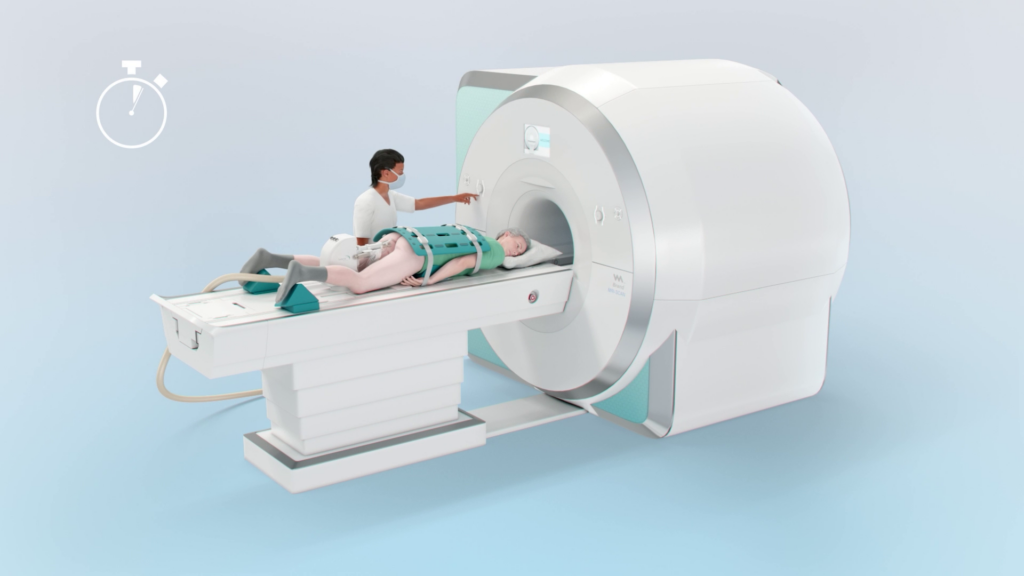
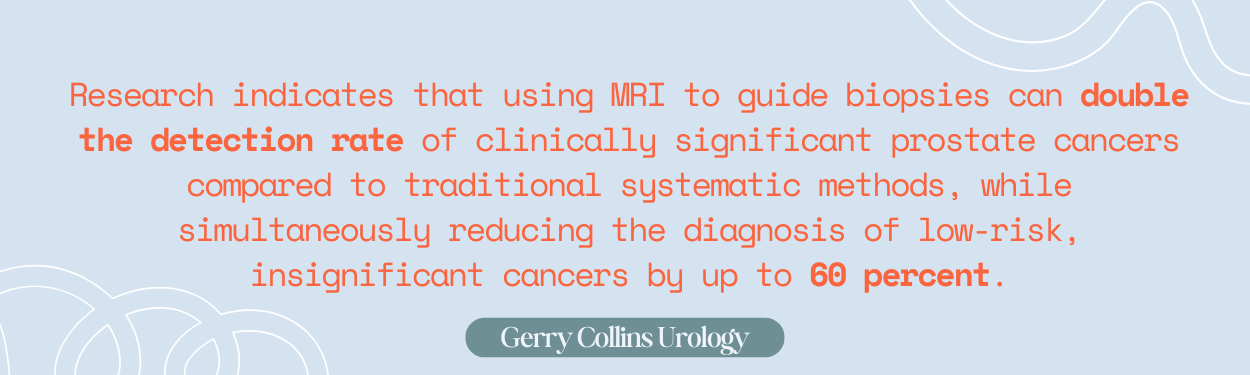
The advent of MRI-guided prostate biopsy has revolutionised this process. By using high-resolution Magnetic Resonance Imaging (MRI) before the procedure, urologists can now identify specific areas of concern and target them with millimetre precision, ensuring a more accurate diagnosis while reducing the discomfort of unnecessary sampling.
The Prevention: Lifestyle Tips
While you cannot change your genetics, you can influence the health of your prostate environment:
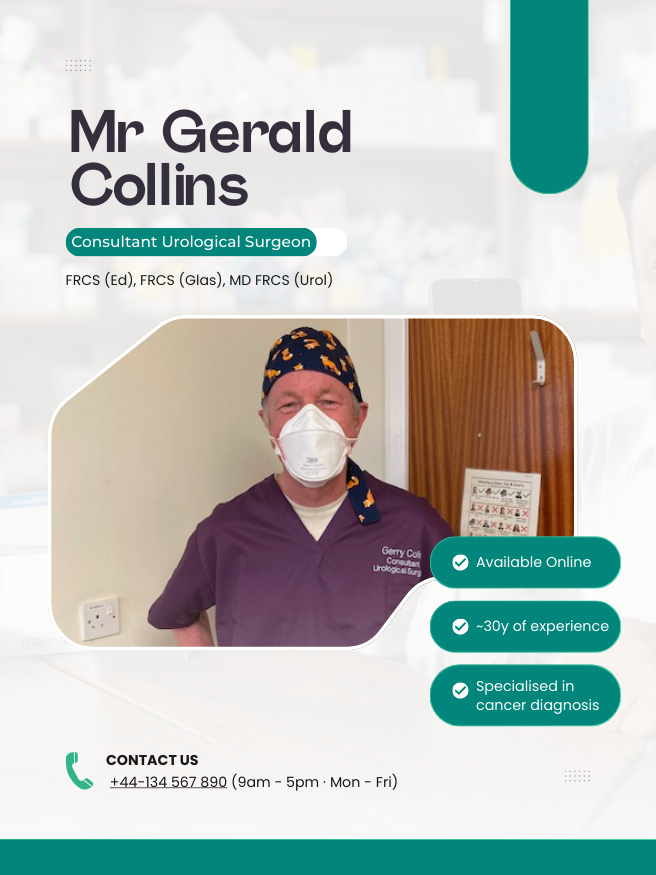
Mr. Collins Approach
While many clinics might move straight from a raised PSA to an invasive biopsy, by integrating this advanced biomarker assessment with MRI interpretation and PSA density, Mr Collins ensures that patients are never rushed into over-treatment for insignificant conditions, nor are they left in the dark about aggressive biology.
FAQs
What is the difference between a fusion biopsy and a cognitive biopsy?
A fusion biopsy uses software to overlay MRI images directly onto a live ultrasound during the procedure. A cognitive biopsy involves the surgeon using their expert knowledge of the MRI to manually target the suspicious area. Mr Collins utilises the most appropriate method based on the lesion’s location and size.
Is the procedure painful?
The biopsy is usually performed under local anaesthetic or light sedation. While you may feel some pressure, it should not be painful. Most men return to normal activities within a day or two.
How many samples are taken?
Unlike traditional biopsies that took many random samples, MRI-guided biopsies are more focused. Research suggests that taking five targeted cores from a suspicious area provides the best balance of detection and safety.
What if the MRI is clear?
If the MRI is negative but your PSA remains high, Mr Collins will use tools like PSA density and the Stockholm3 test to decide if a biopsy is still warranted or if continued surveillance is a safer option.
Based in Manchester and Cheshire, Mr Gerald Collins is currently accepting private consultations for the assessment of kidney masses, haematuria, and general urological concerns. With 29 years of experience, he provides the clarity and expertise needed to move from uncertainty to a confident treatment plan.