📞 +44 0161 495 7011 (9am - 5pm ᐧ Mon - Fri)


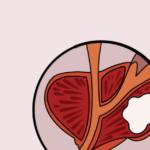
Prostate cancer is the most common cancer among men in the UK, with approximately 52,000 new cases diagnosed every year. The prostate is a small gland, roughly the size of a satsuma, located at the base of the bladder. Its primary function is the production of the fluid that nourishes and helps spermatozoa to thrive.. While a diagnosis can be daunting, most prostate cancers are slow-growing and, when detected early, can be managed very effectively, sometimes just with careful observation.
In many cases, the cancer remains confined to the prostate gland and may never cause significant harm during a man’s lifetime. However, other types are more aggressive and require prompt, strategic intervention to prevent spread to other parts of the body.
Did you know:
In the UK, 1 in 8 men will be diagnosed with prostate cancer in their lifetime. This risk increases significantly to 1 in 4 for Black men, highlighting the importance of tailored screening and early awareness within specific risk groups.
Symptoms
Prostate cancer does not usually cause symptoms until it has spread to other parts of the body; in other words, symptoms are caused by secondaries. Urinary symptoms are usually caused by benign non-cancerous enlargement of the prostate (BPH), which is very common. The prostate starts to enlarge in the vast majority of men in their 40s.
Nevertheless, you should consult a specialist if you notice:
- An increased need to urinate, especially during the night (nocturia).
- Difficulty starting to pee or straining during the process.
- A weak or interrupted flow of urine.
- A feeling that your bladder has not fully emptied.
- Blood in the urine or semen (haematuria).
In advanced cancer, symptoms might also include persistent back, hip, or pelvis pain, unexplained weight loss, or erectile dysfunction.
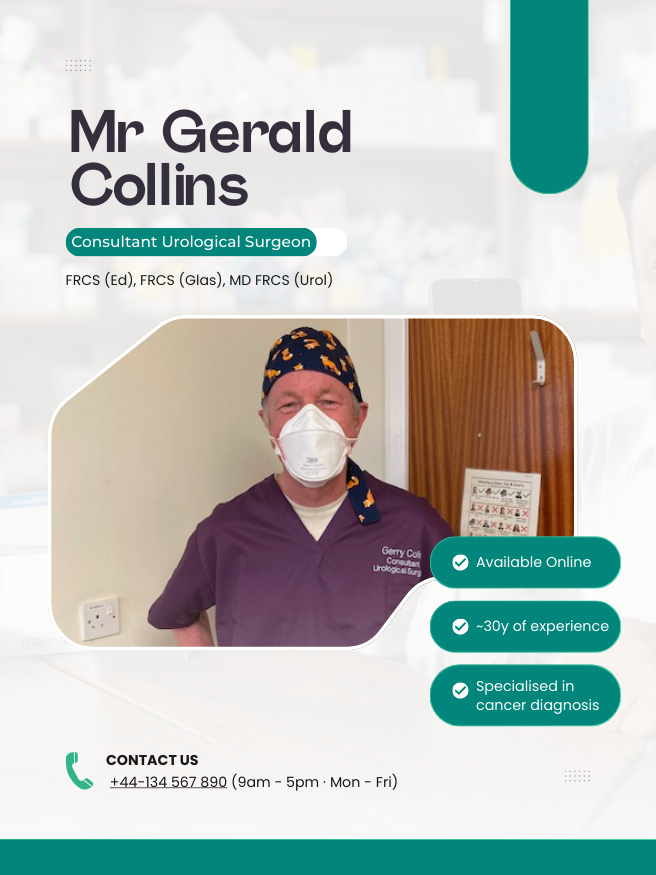
Mr. Collins Approach
Mr Gerry Collins views every diagnosis as a unique biological puzzle rather than a routine procedure. Having conducted extensive research at Edinburgh University and the Mayo Clinic, his approach is built on “Clinical Discernment.” This means looking beyond raw PSA numbers to understand the individual biology of each patient.
While MR is the current state of the art imaging, there are significant limitations in that MR cannot easily distinguish between cancer and inflammation (common) and therefore even abnormal MRs need to be interpreted before deciding to proceed to biopsy.
Causes & Risk Factors
While the exact cause of prostate cancer remains unknown, several factors increase the likelihood of development:
The Solution: Treatment pathways
Management is categorised by risk groups: low, intermediate, and high risk. Treatment is never “one size fits all” and is dictated by the grade of the cancer and the patient’s overall health.
Medical & Surveillance Pathways:
- Active Surveillance: For low-risk, slow-growing cancers, we monitor the cancer closely with regular PSA tests and scans, avoiding the side effects of surgery or radiation unless the disease shows signs of progressing.
- Hormone Therapy (ADT): This lowers testosterone levels to shrink the cancer or slow its growth. Mr Collins places a specific emphasis on “Bone Health Optimisation” during this phase to prevent the bone thinning often associated with long-term hormone treatment.
Surgical & Radical Pathways:
- Radical Prostatectomy: The surgical removal of the prostate gland. Mr Collins brings decades of experience to these complex procedures, focusing on precision and the preservation of quality of life.
- Radiotherapy & Brachytherapy: Using high-energy beams or internal radioactive “seeds” to destroy cancer cells.
How to Prevent?
While you cannot change your genetics or age, you can support your prostate health through proactive lifestyle choices:
- Dietary Choices: Incorporate foods rich in lycopene, such as cooked tomatoes, and cruciferous vegetables like broccoli and cauliflower.
- Maintain a Healthy Weight: Evidence suggests that obesity is linked to more aggressive prostate cancers.
- Regular Exercise: Staying active improves overall metabolic health and can help manage hormone levels.
- Smoking Cessation: Smokers may have a higher risk of cancer recurrence and poorer outcomes following treatment.

FAQs
Is a high PSA result always cancer?
No. A raised PSA (Prostate-Specific Antigen) can be caused by an enlarged prostate (BPH), a urinary tract infection, or even recent vigorous exercise. This is why Mr Collins uses PSA density and trends rather than a single figure to make a diagnosis.
If I have no symptoms, do I still need a check-up?
If you are over 50, or over 45 with a family history or Black heritage, a baseline PSA test is highly recommended. Early-stage prostate cancer is frequently silent, and early detection remains the most effective tool for a cure.
Will treatment affect my sex life?
Treatments like surgery or hormone therapy can impact erectile function. However, modern nerve-sparing techniques and rehabilitative therapies are designed to minimise these risks and help men regain function.
What is the Stockholm3 test?
It is an advanced blood test that combines protein biomarkers, genetic markers, and clinical data. It is significantly more accurate than a standard PSA test at detecting aggressive cancers while reducing the need for unnecessary biopsies.