📞 +44 0161 495 7011 (9am - 5pm ᐧ Mon - Fri)


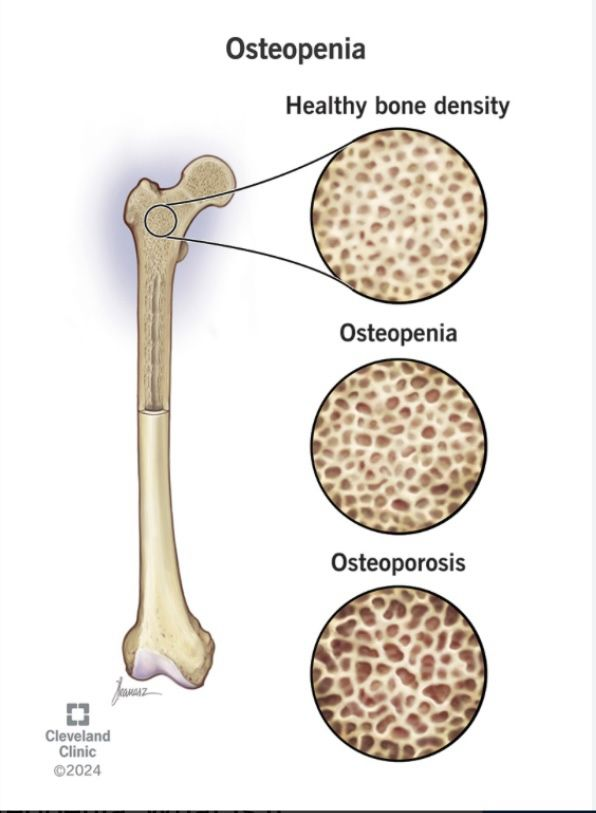
Mild (osteopenia) and more marked bone thinning (osteoporosis) are common in men >50. While generally considered a condition of females, one third of all osteoporotic fractures (fragility fractures) occur in men. These are a serious events causing significant quality of life issues and carry a mortality risk of 24% in the first year afterwards.
Risk Factors
Nutrition: calcium and vitamin D intake. About 40% of men in the UK have inadequate vitamin D levels. This is related to our climate and sunlight exposure.
Exercise: reduced physical activity carries an increased risk of osteoporosis.
Smoking and high alcohol intake.
Coexisting conditions: rheumatoid arthritis, inflammatory bowel disease (Crohns, ulcerative colitis), chronic liver or kidney disease.
Hypogonadism: of particular relevance to us urologists. Low testosterone levels also cause low mood, decreased libido and low energy levels. This is an easily treated condition.
Medications: steroids, hormone treatment and possibly weight loss drugs.
Hormone treatment is a common and very effective treatment used in prostate cancer. It causes significant bone loss, particularly in the first year of treatment.
Patients on or about to start this treatment should be on bone protection therapy (generally in tablet form) and usually calcium and vitamin D supplementation. In my practice, I do baseline calcium, vitamin D levels and ideally a pretreatment DEXA scan, though this can be done after treatment has started.
Sarcopenia (loss of muscle mass/quality) is another side effect, and targeted exercise regimes are very helpful in this regard. High specification DEXA scanners can measure muscle quality in addition to bone quality.
(Image: Cleveland Clinic)